Asia/Manila
Projects2026

Meera

Meera
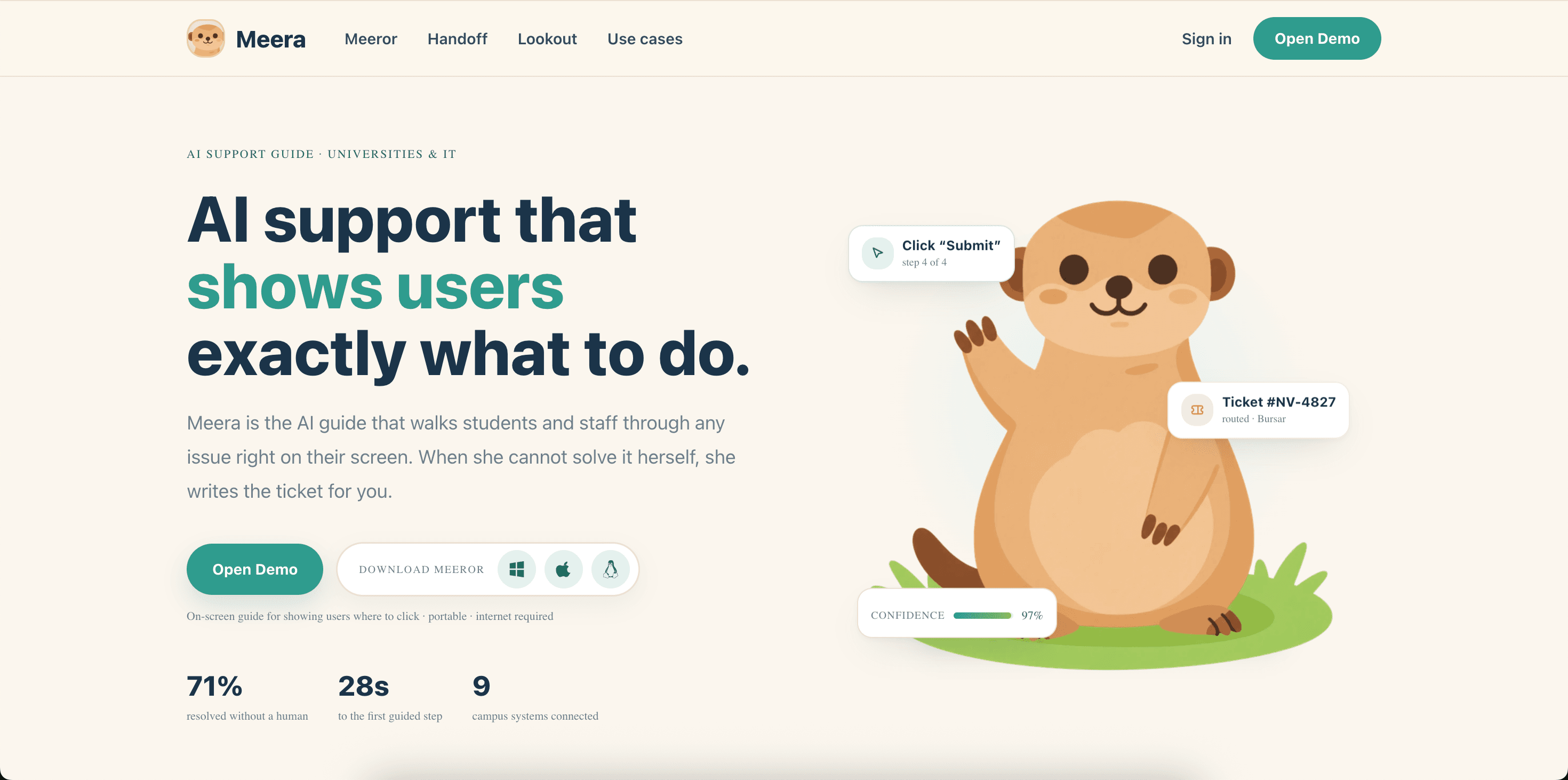
An agentic AI front door for university service desks: concerns arrive in plain language, get parsed and classified, are resolved automatically where possible, and routed to the right team when not. Top 3 of 100+ teams at the KPMG Academic Innovation Challenge.
  • Role: Full-stack developer
  • Context: KPMG Academic Innovation Challenge
  • Scope: Text and voice service-desk intake
  • Result: Top 3 of 100+ teams
  • 100+ Teams entered
  • Top 3 KPMG placement
  • Text + Voice Intake channels
University service desks drown in unstructured requests — emails, forms, walk-ins — each phrased differently and routed by hand. Simple, answerable questions wait in the same queue as genuinely hard cases, so response times suffer and staff burn time triaging instead of resolving. We built Meera as an agentic intake layer. A request arrives in natural language (typed or spoken), and the system parses intent, classifies the concern, attempts an automated resolution from known answers, and only escalates to the appropriate human team when it can't resolve the case itself. Voice intake is transcribed in real time so the same pipeline serves phone and walk-in channels. React · Next.js · Cloudflare D1 · Cloudflare R2 · Groq · Ollama · Deepgram Aura Instead of a single LLM call, requests flow through discrete stages — parse, classify, attempt resolution, route. Separating the stages made each one debuggable under hackathon time pressure and let us swap models per stage (fast Groq inference for classification, local Ollama for cheaper drafting). Service-desk concerns often come in by voice. We layered Wispr and Deepgram Aura for low-latency transcription so spoken requests feed the exact same parse → classify → resolve path as typed ones, rather than building a separate voice flow. We tuned the agent to escalate aggressively when confidence was low. Fewer requests get fully auto-resolved, but the ones that do are trustworthy — the right trade for a support context where a wrong automated answer is worse than a short wait. Built and demoed inside the challenge window, so retries, auth, and audit logging were scoped to the demo path. The next iteration would harden the escalation routing and add per-team analytics.
  • Delivered a working text-and-voice intake flow that reached the top 3 among 100+ challenge teams.
  • The staged pipeline made classification, resolution, and escalation independently debuggable during the build.
  • Production hardening would add authentication, audit logs, retry policies, and measured escalation accuracy.
Related projects

Telecom Churn Prediction

Telecom Churn Prediction

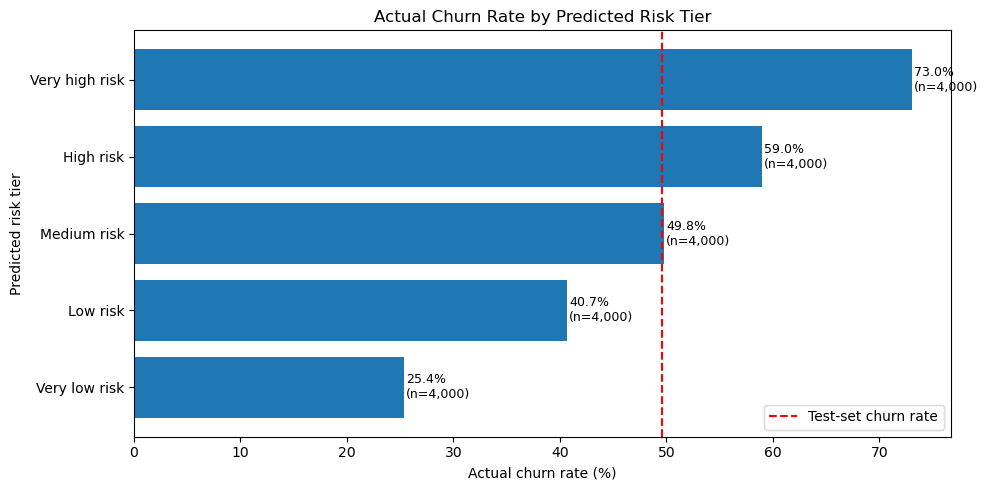
An end-to-end churn analysis for a telecom operator, read as one narrative: EDA to discover the business problem, retention segmentation, an XGBoost risk model, and a 'Renewal Rescue System' proposal — framed through a Philippine/ASEAN market lens.
Academic Ally

Academic Ally

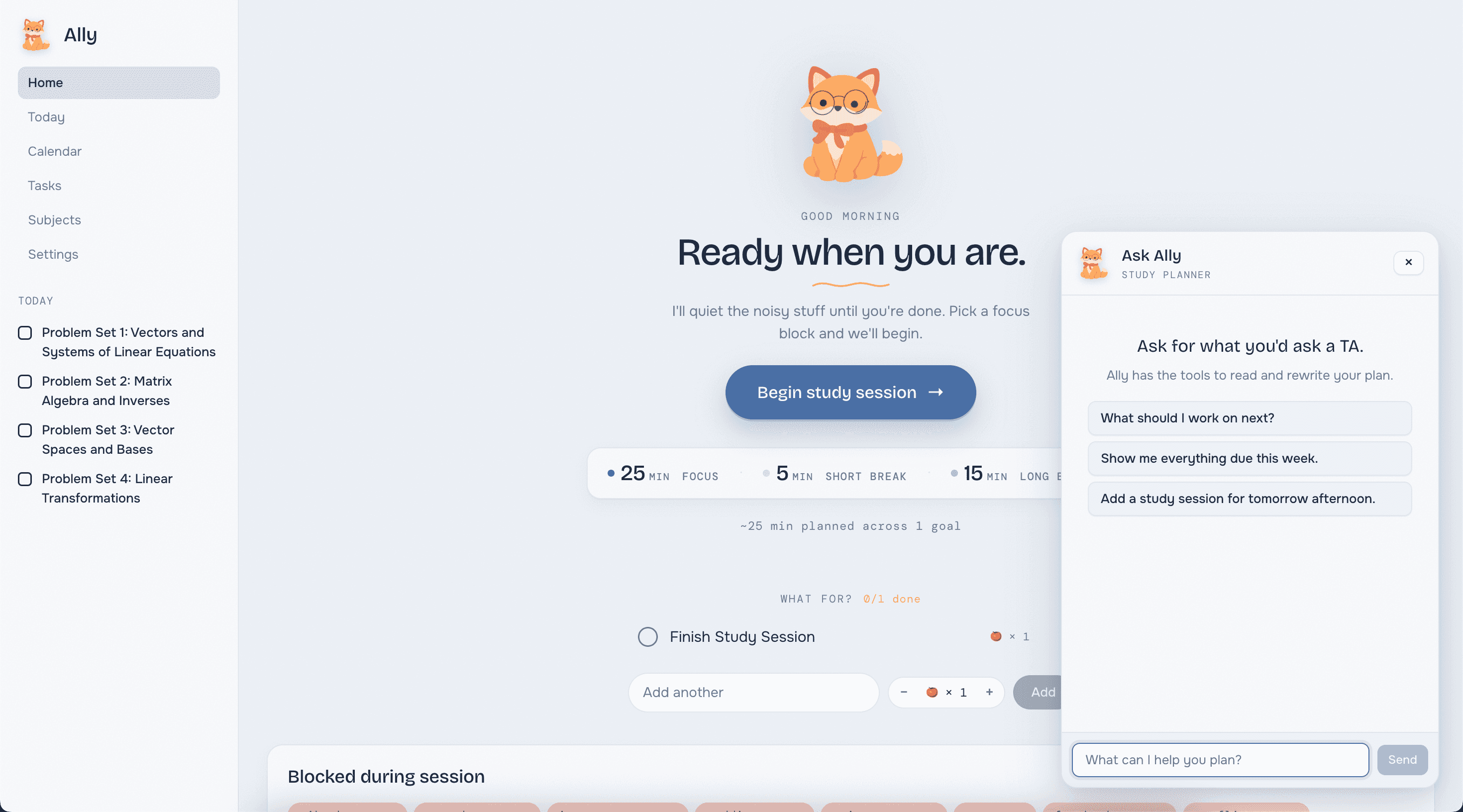
An agentic study platform: students upload course syllabi and it auto-plans their semester, with built-in focus sessions and integrated task and project management. Powered our Round 1 submission into the top 10 of the KPMG Academic Innovation Challenge.
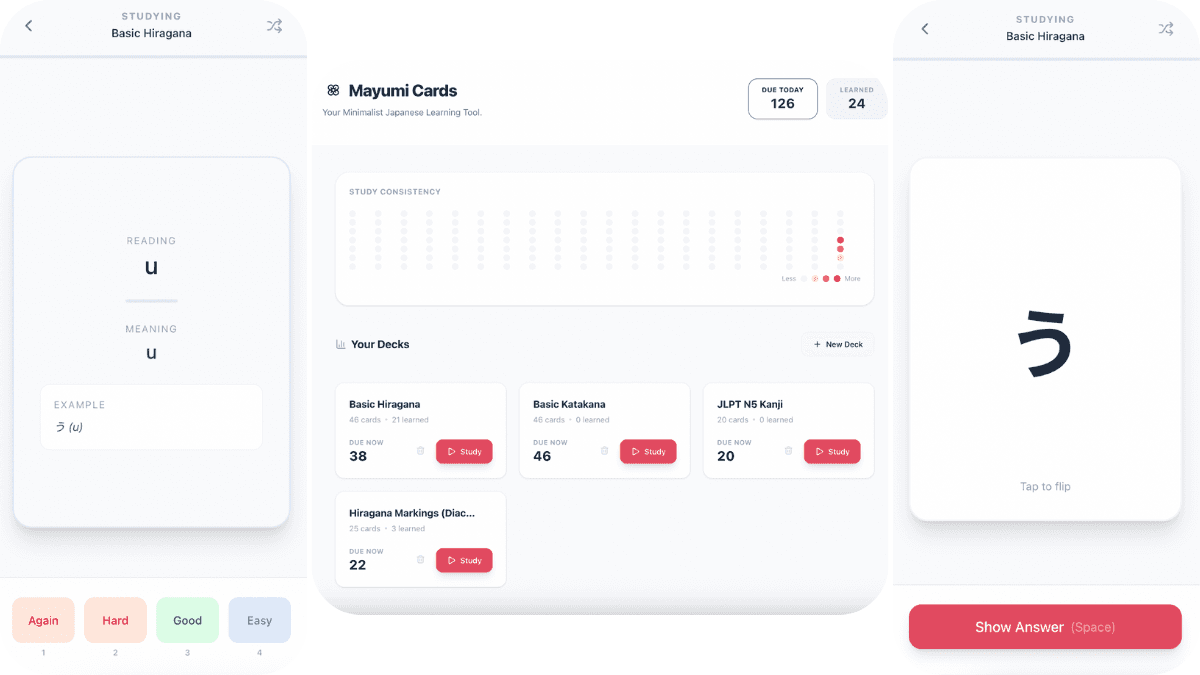
Mayumi Cards

Mayumi Cards

A Japanese flashcard app built around a client-side SRS algorithm. The hard part wasn't the UI — it was tuning the review-interval policy so daily study actually compounds.
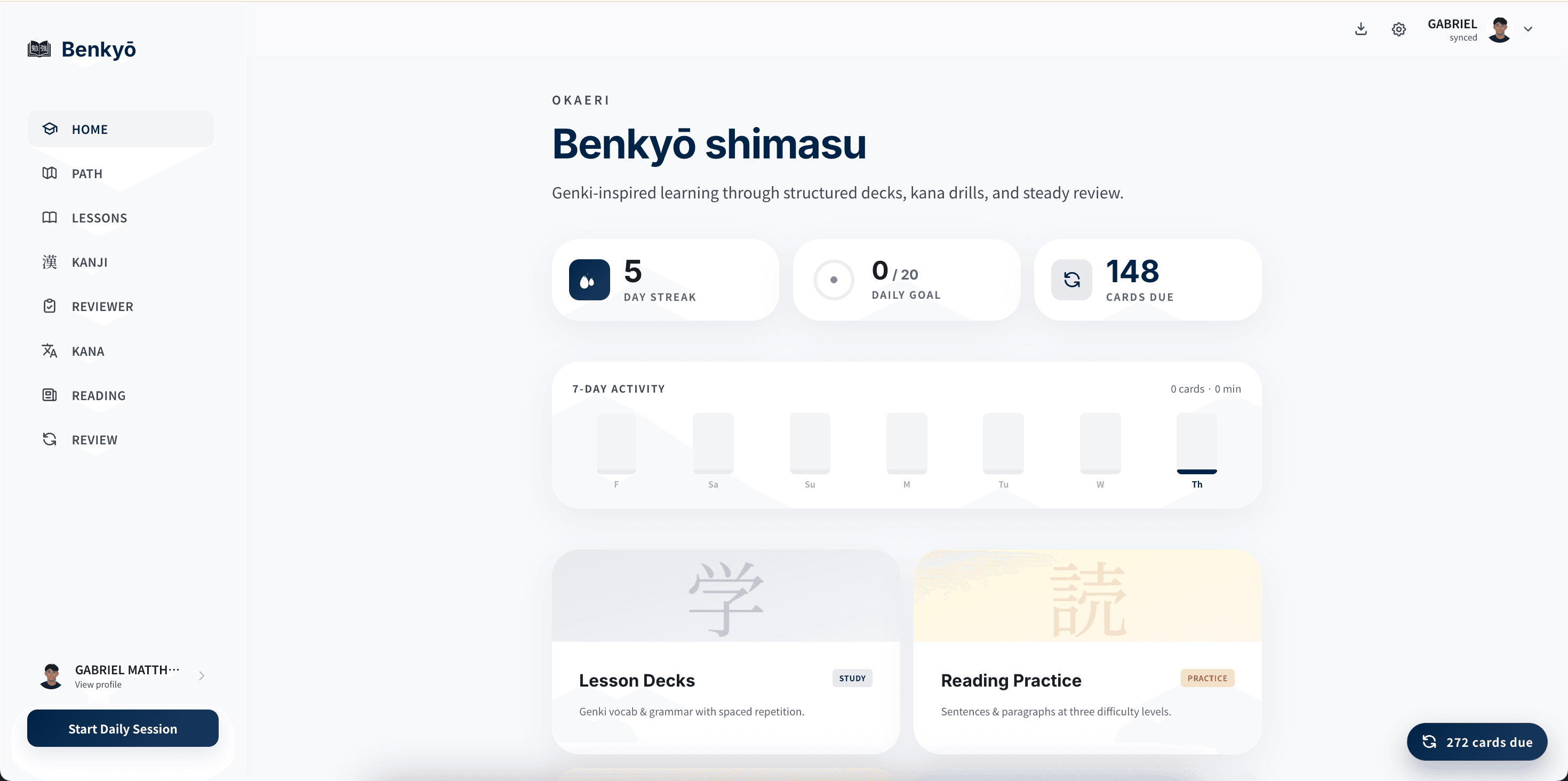
Benkyō

Benkyō

A spaced-repetition Japanese learning platform built for Ateneo's Introduction to Japanese 11 class. Schedules vocabulary reviews around retention patterns and tracks daily study streaks — serving 50 real students.