The problem
Students who are new to a field can spend hours searching for papers. They know what they want to investigate, but they may not know the terms that a paper database expects. We wanted to let them start with a question in their own words.
- RoleFull-stack developer
- ContextGDG Loyola Hackfest 2026
- DeliveryTwo-week sprint
- Result3rd place · 100+ participants · PHP 10K prize
What we built
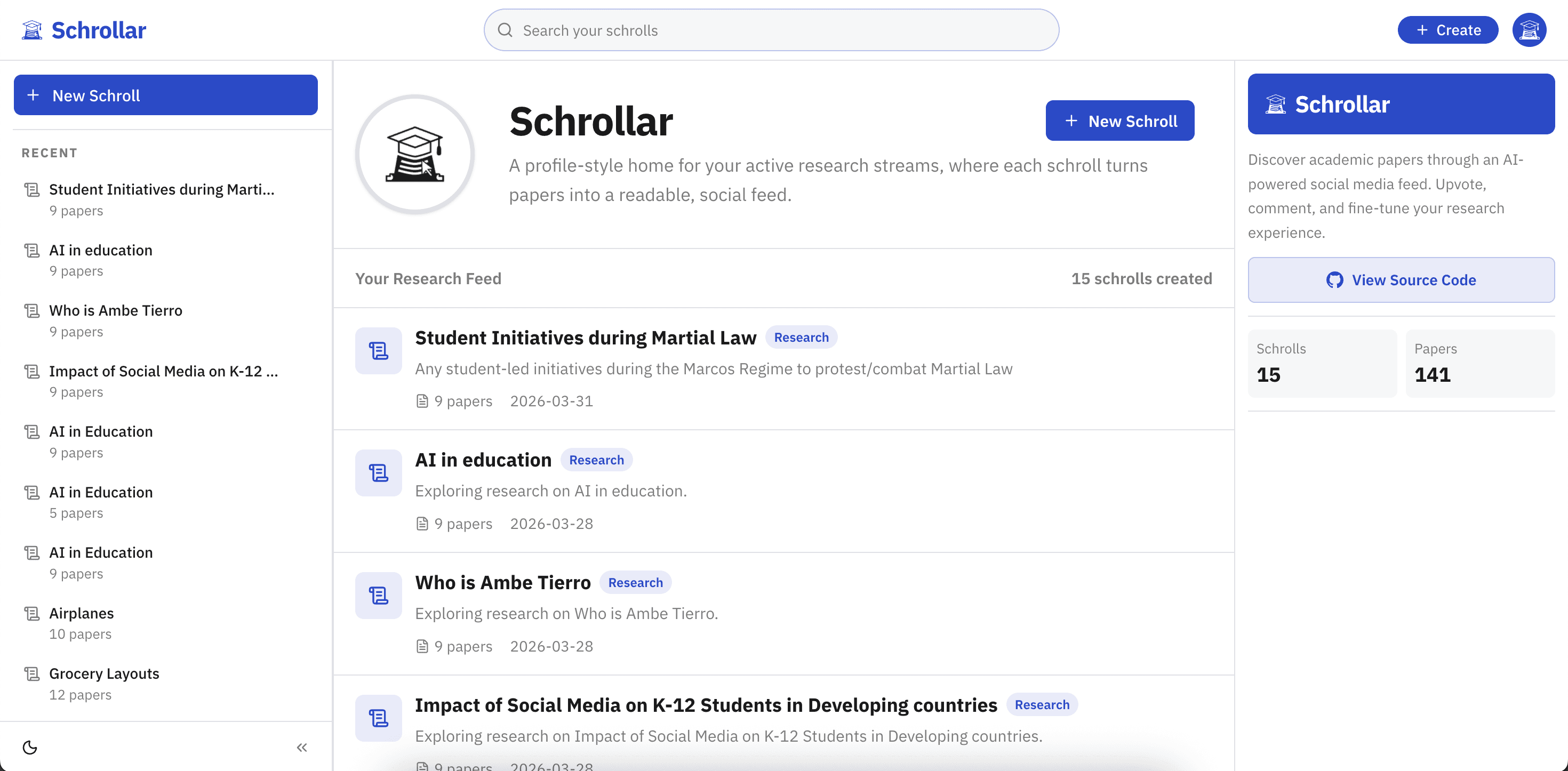
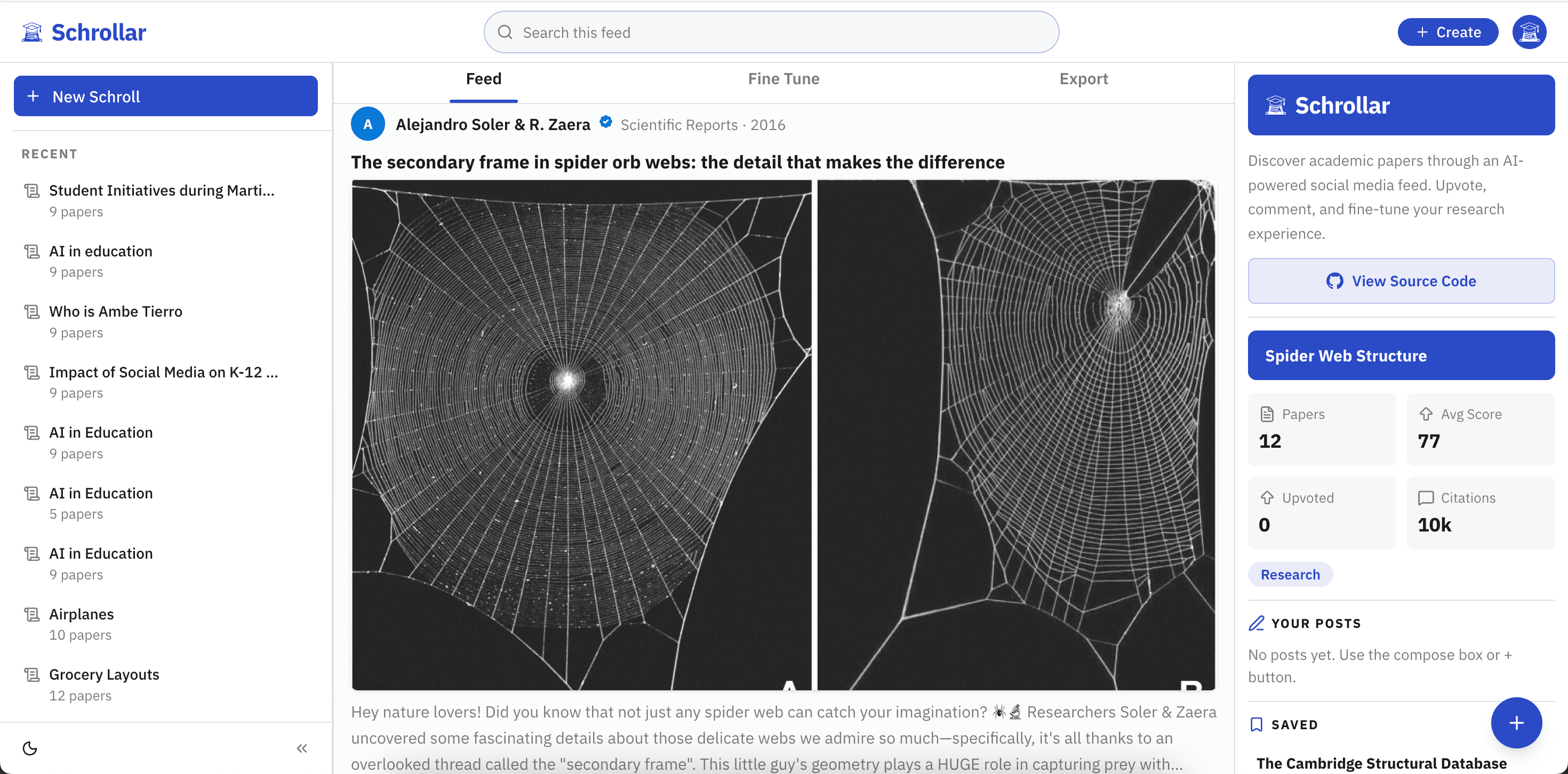
I built a research assistant that retrieves papers through OpenAlex, CrossRef, Semantic Scholar, and SearXNG. A locally hosted LLM processes natural-language questions, while DeBERTa-v3 checks generated research claims against retrieved evidence. The launch covered 140+ papers across 16+ research streams. We shipped the product in a two-week sprint.
BUILT WITHNext.jsTypeScriptPythonOllamaDeBERTa-v3OpenAlexCrossRefSemantic ScholarSearXNG
Technical decisions
Retrieval with evidence verification
I combined multiple academic search sources with a local LLM and DeBERTa-v3 natural-language inference. The verification step uses a 0.85 threshold to filter unsupported model outputs before presenting research claims.
A complete research workflow in two weeks
The build connected natural-language queries, paper retrieval, claim verification, and the reading interface. I focused the sprint on a working research flow across 140+ papers and 16+ streams.
Tradeoffs
A limited set of research streams
Curated streams make results faster and more relevant for broad exploration, but they limit the questions Schrollar can answer. Someone looking for a particular paper may be better served by keyword search.
Limits of the challenge build
The competition build prioritized a working research flow. Retry handling, error recovery, and caching were limited in the demo.
Results
- Papers aggregated
- 140+
- Research streams
- 16+
- Hackfest placement
- 3rd place
- Shipped the complete research assistant in a two-week sprint.
- Aggregated 140+ papers across 16+ research streams at launch.
- Placed 3rd at GDG Loyola Hackfest 2026, with 100+ participants and a PHP 10K prize.